WARNING
BASE jumping is an extremely dangerous activity
Falling for Fame? - Myth or Reality in Modern BASE Jumping
This documentary examines BASE jumping, social media, sponsorship, visibility, risk culture and safety practices within the sport. BASE jumping is widely regarded as one of the world's most dangerous activities. The athletes featured here operate in environments where altitude, weather, terrain and timing leave very little margin for error.
Participation in this sport is not casual. Experienced jumpers often spend years building skydiving experience, receiving mentorship, studying equipment, learning site assessment and developing risk-management skills before attempting BASE jumps. Even with preparation, modern equipment and deep experience, serious injury or death can occur.
Falling for Fame? is intended to document and inform. It does not promote BASE jumping, teach technique or encourage viewers to participate. Images, stories and observations in this project should not be imitated. Viewers are encouraged to approach the subject critically, respect the athletes' commitment and make informed decisions about risk, media visibility and personal responsibility.
No person shown on this page, featured in the project or involved in its production accepts responsibility for actions taken by viewers after engaging with this material.
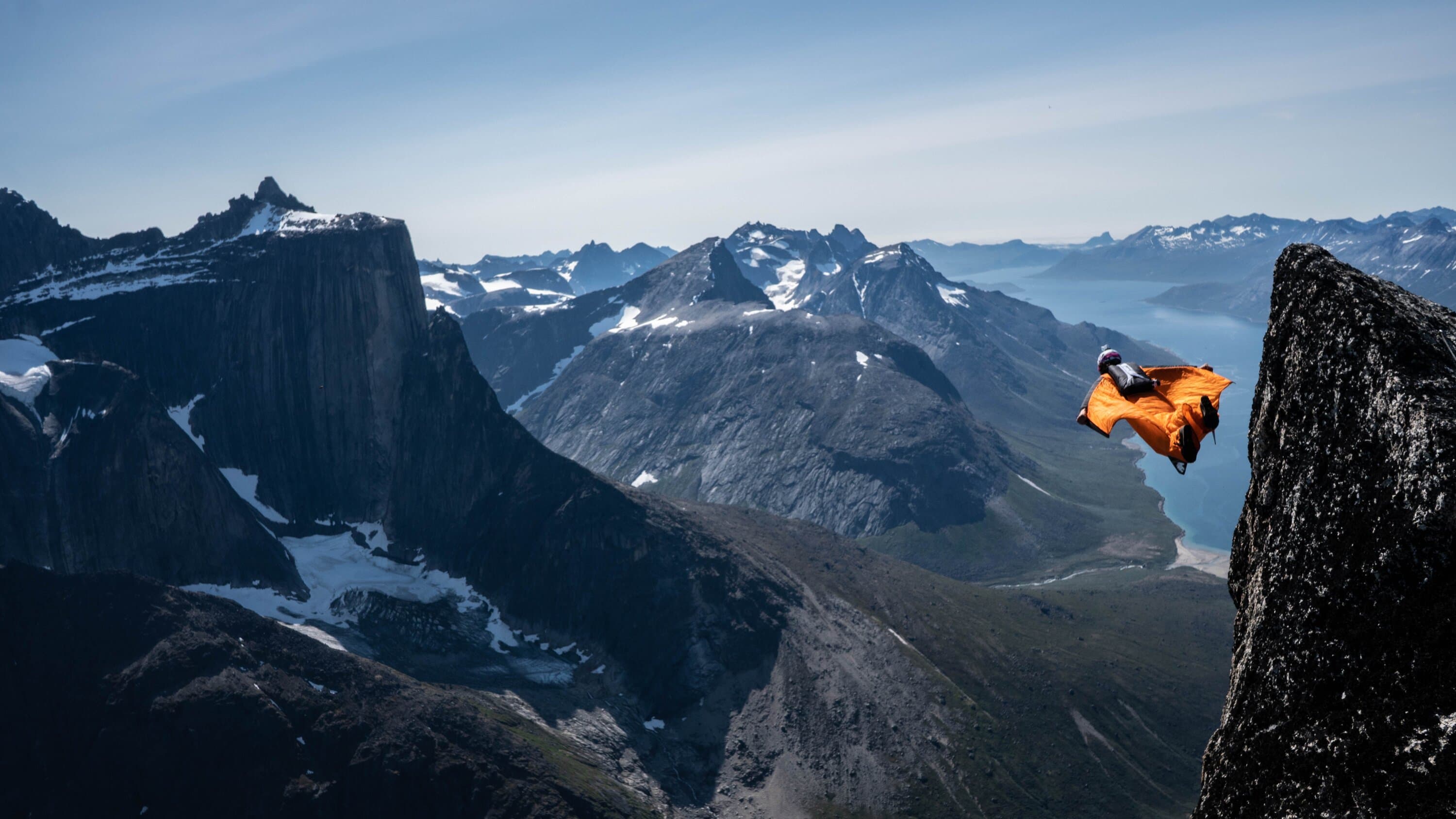
Sport context
About the Sport
A few seconds of freefall. Years of preparation.
BASE jumping is a sport defined by commitment, precision and consequence. To understand the stories featured in this documentary, it helps to first understand the culture, history and realities of the sport itself.
BASE
What is BASE Jumping?
BASE jumping involves parachuting from fixed objects rather than aircraft. Unlike skydiving, where jumps begin at high altitude, BASE jumps often take place much closer to terrain, structures and obstacles.
The reduced time available after exit leaves little margin for error and requires extensive preparation, specialised equipment and sound judgement.
While many participants are drawn to the sport by adventure, challenge and exploration, BASE jumping remains one of the highest risk recreational activities in the world.
What BASE stands for




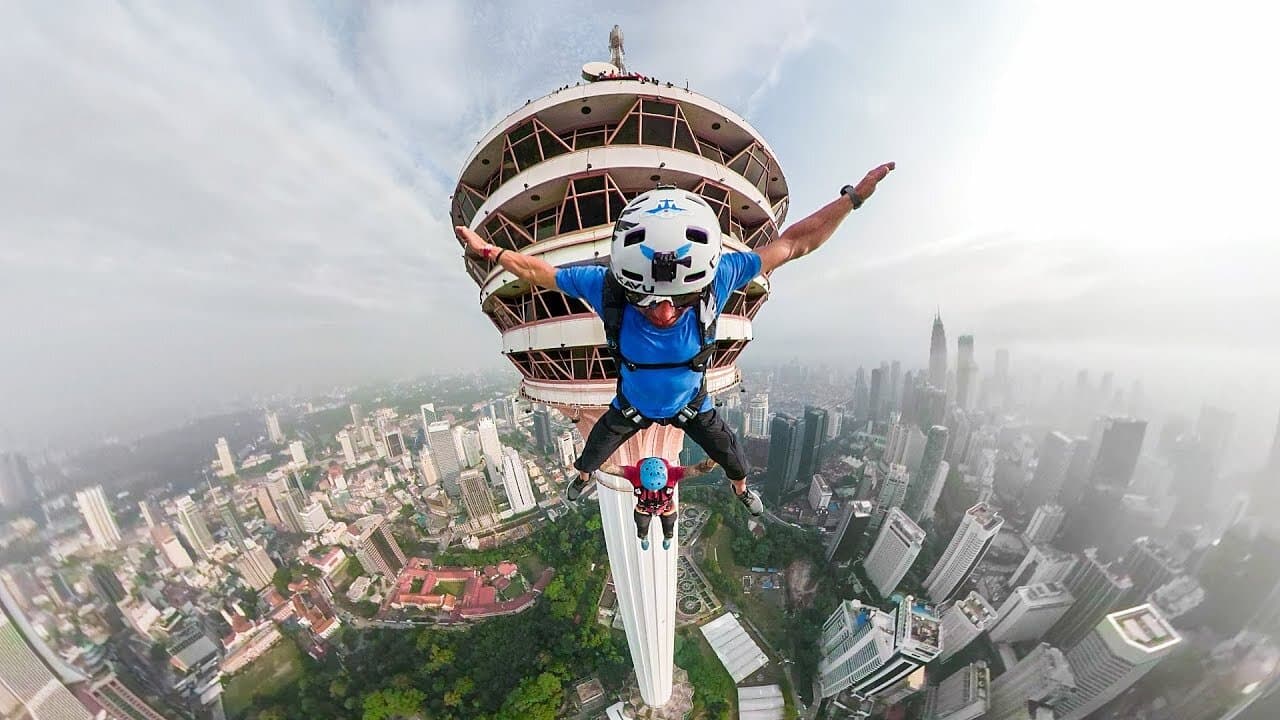
01
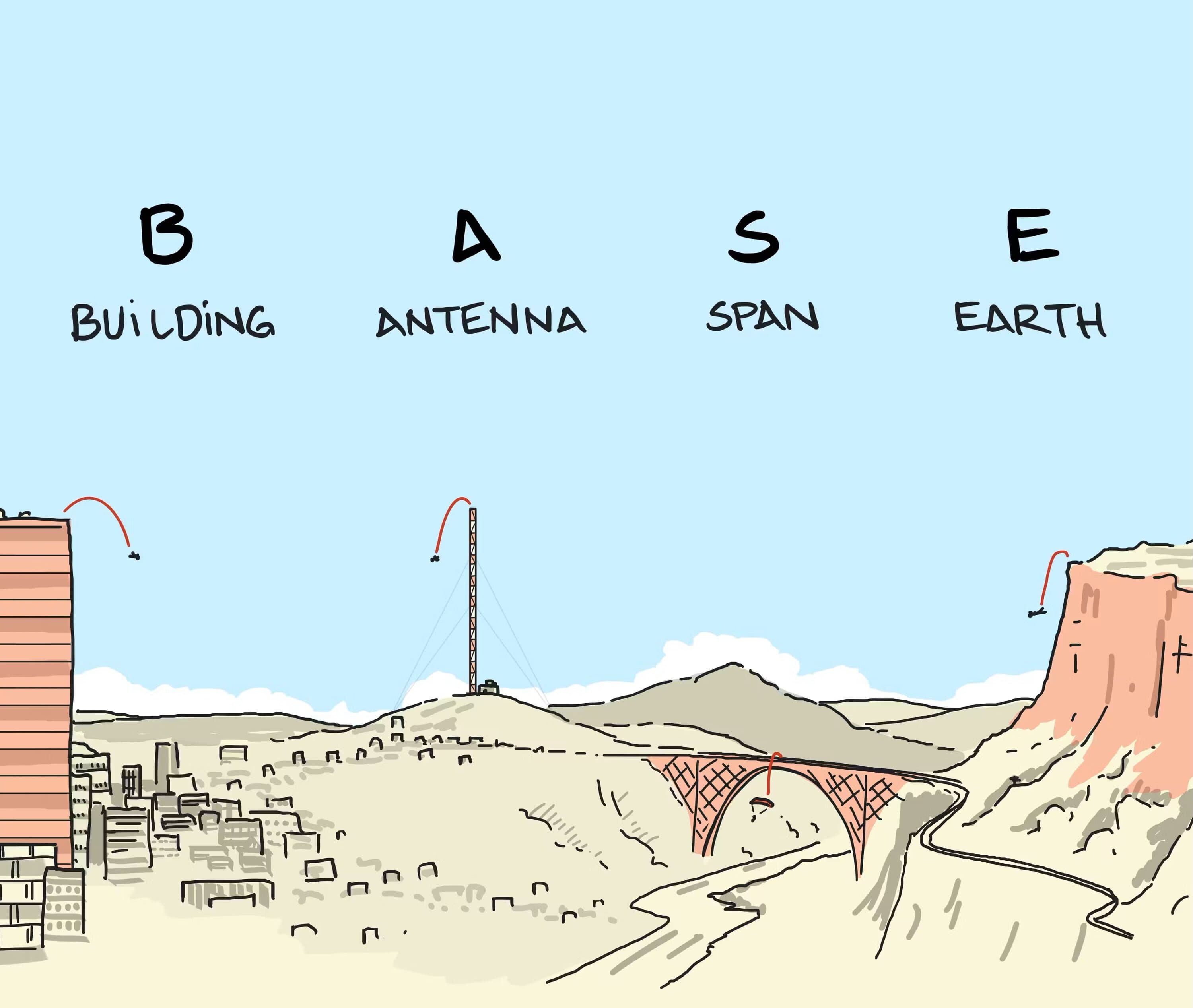
B
Building
Urban structures and towers where access, wind and landing areas create complex constraints.
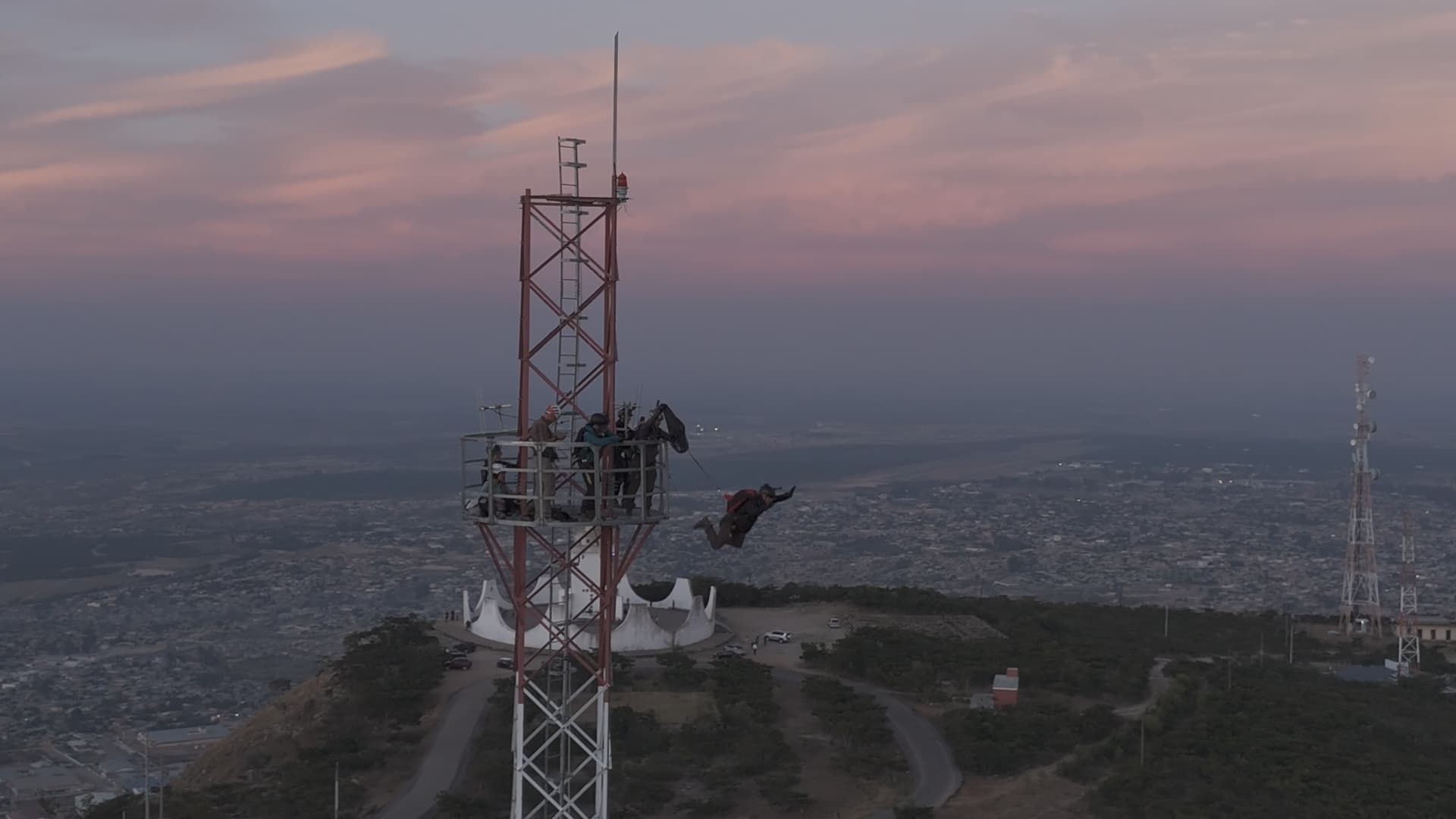
02
A
Antenna
Masts and antenna structures, often exposed to weather and access limitations.
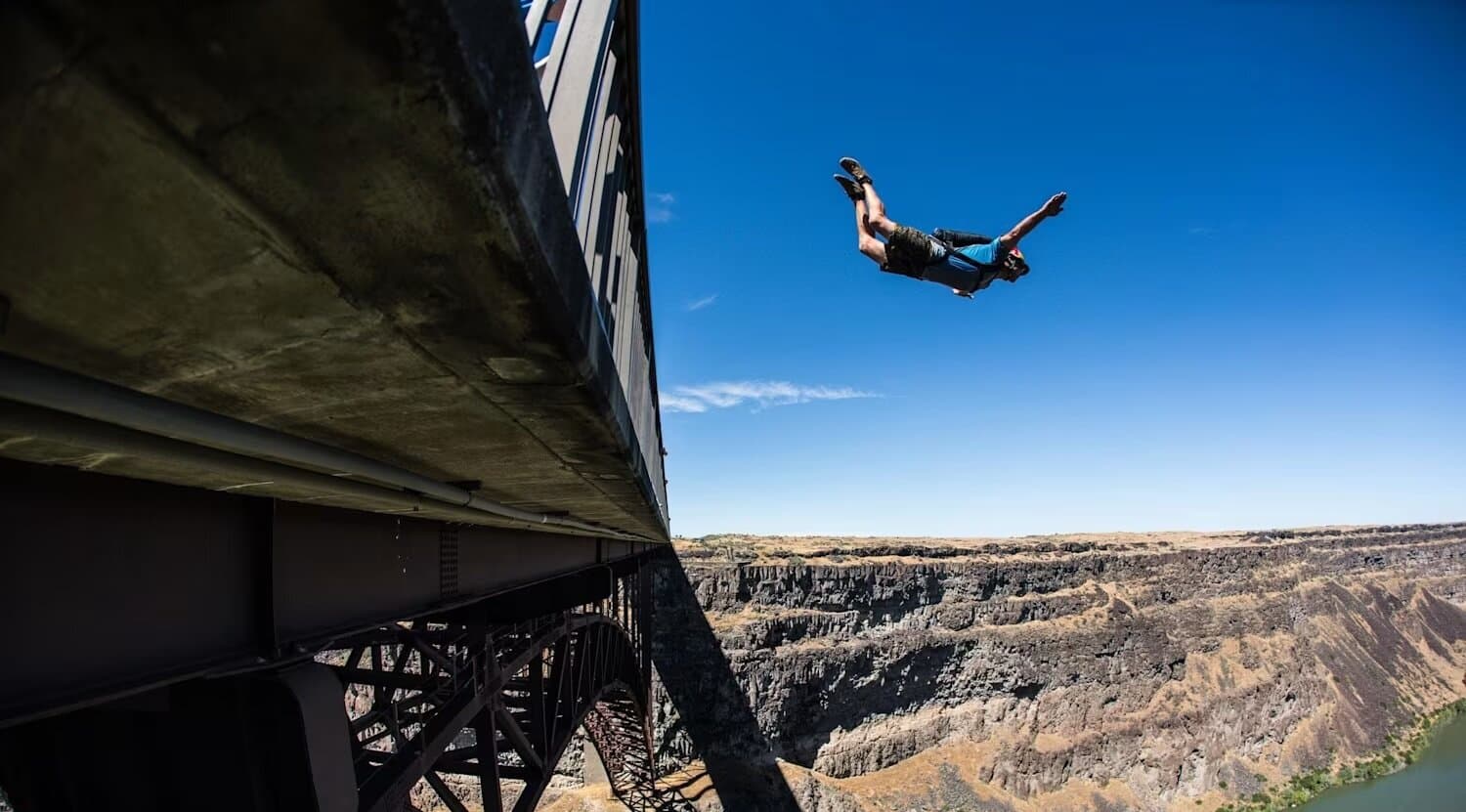
03
S
Span
Bridges and similar spans where object height, airflow and landing options vary widely.
04
E
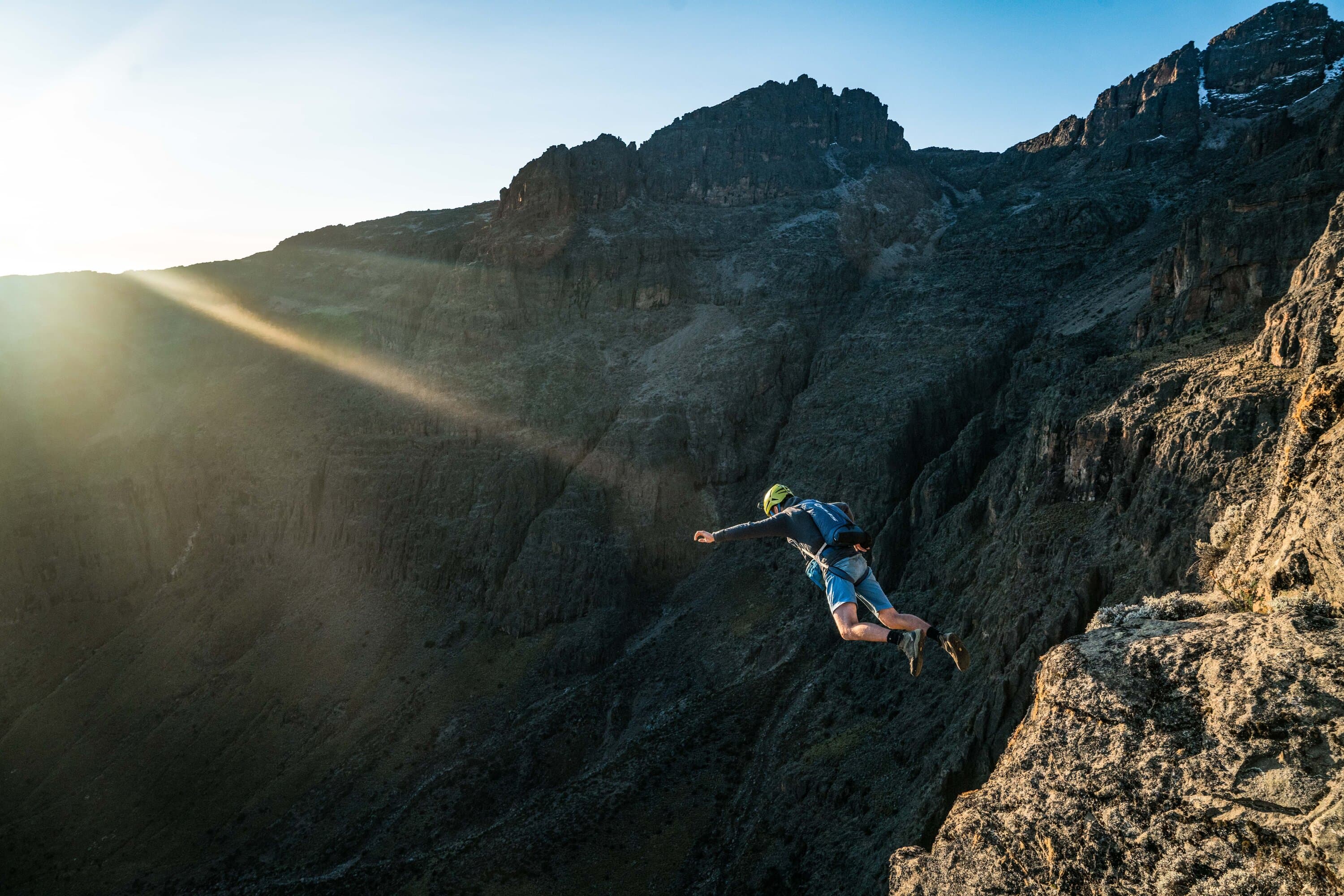
Earth
Cliffs, mountains and natural formations that define much of the alpine BASE environment.
Historical timeline
History of BASE Jumping
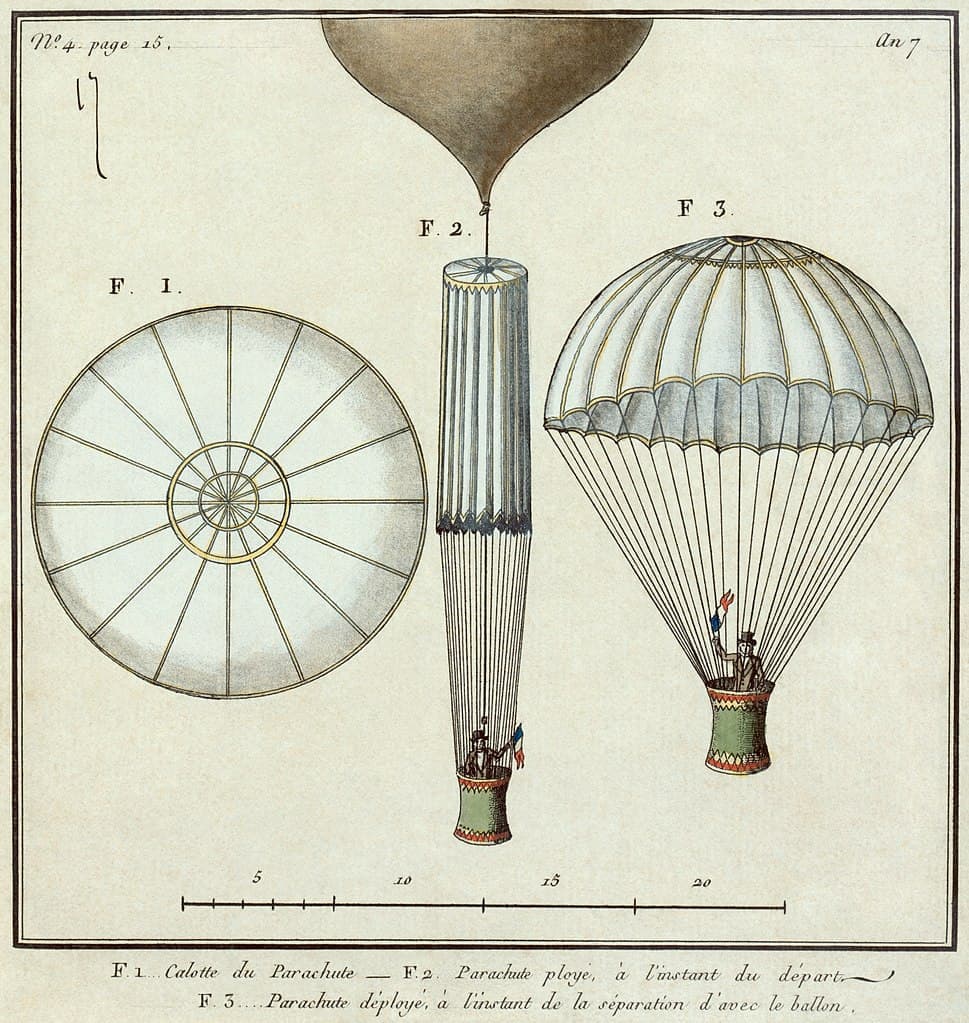
1797
Early parachute experiments
Parachute ideas appear long before the modern sport. For centuries, people experimented with jumps from towers, cliffs and balloons before BASE jumping became a defined practice.
1970s
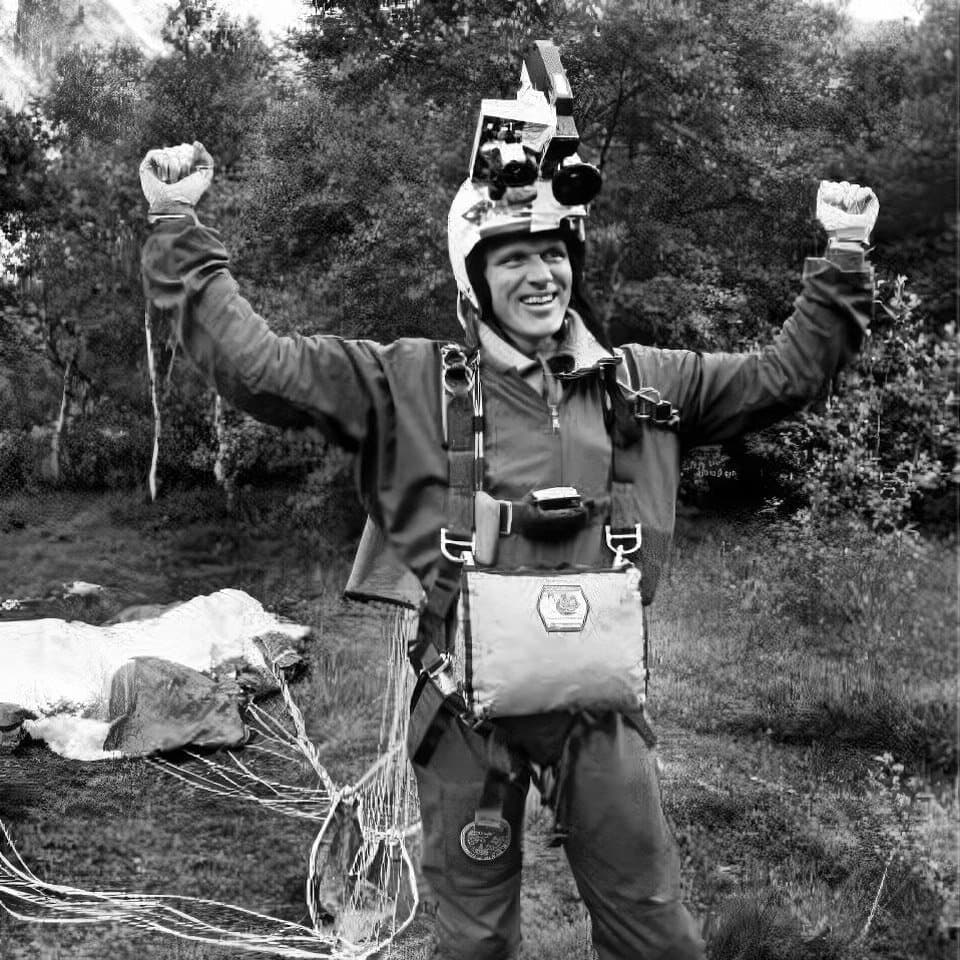
Carl Boenish
A skydiver, filmmaker and pioneer helps turn isolated fixed-object jumps into a recognisable activity. His films and organising work shaped how the early scene understood itself.
1978
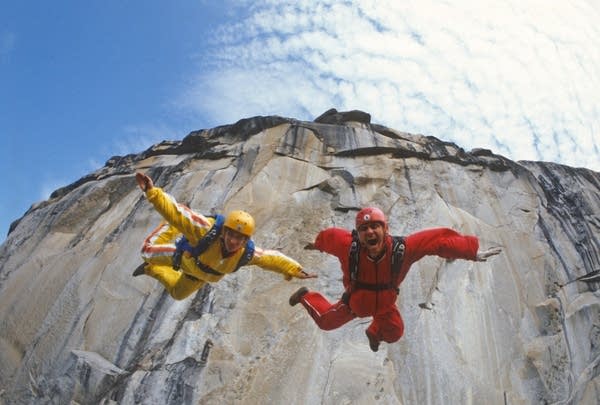
El Capitan
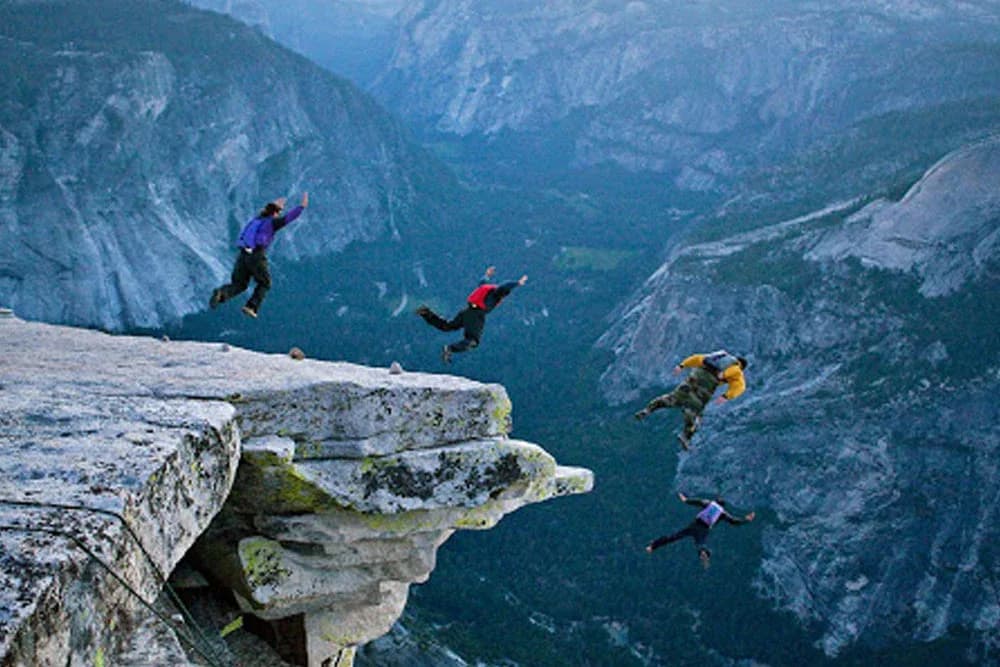
A series of Yosemite jumps with modern ram-air parachutes becomes a defining origin point. These El Capitan jumps are often described as the beginning of modern BASE jumping.
1981
BASE Number System
The four object categories become part of the sport's identity. Jumpers who completed Building, Antenna, Span and Earth could apply for an official BASE number, a tradition that continues today.
1990s
Small community growth
Knowledge circulates through mentorship, personal networks and direct experience. Limited access to equipment and experienced jumpers creates a culture built around patience, commitment and learning from others.
2000s
Internet and forums
Information and imagery begin circulating globally. Online forums, digital cameras and video platforms make knowledge easier to access, while also spreading dramatic images beyond the community.

2010s
Social media visibility
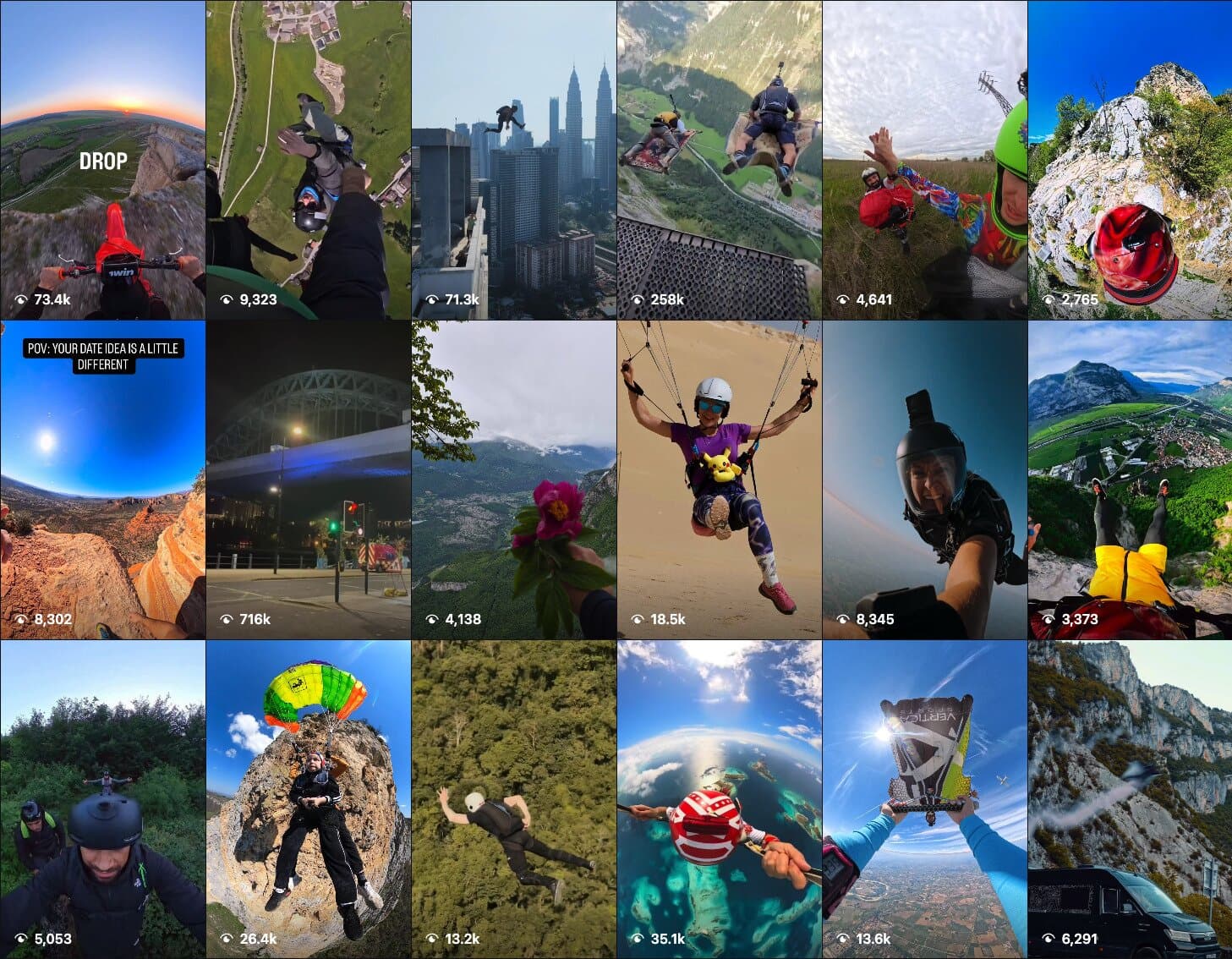
Video platforms shape how the public sees the sport. Spectacular footage brings BASE jumping to new audiences, but often shows the jump itself more clearly than the preparation behind it.
2020s
Modern BASE scene
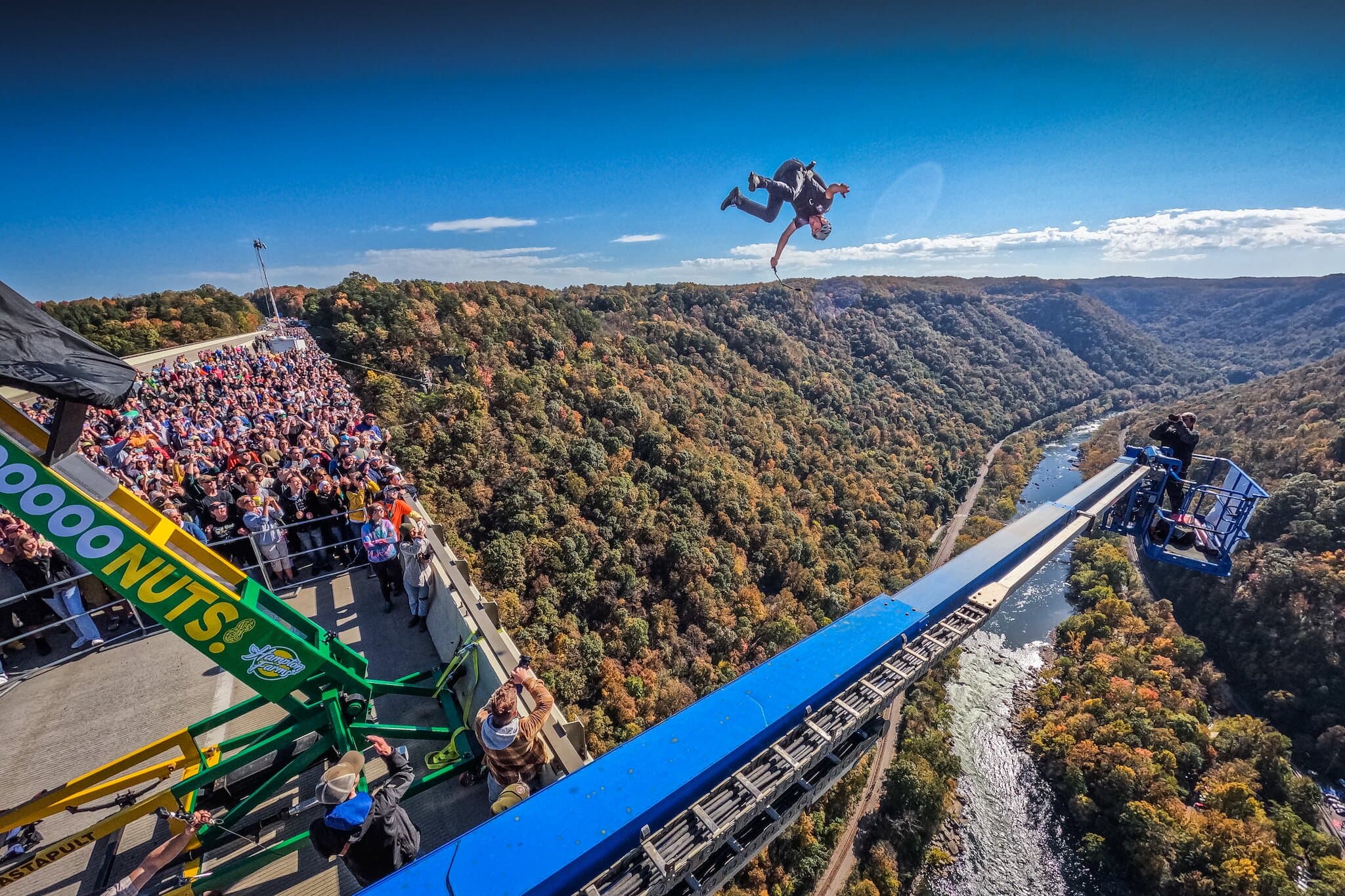
Global travel, technology and media connect athletes worldwide. Even as equipment and communication evolve, gravity, weather, terrain and human decision making remain the defining factors.
Very limited time




3,000-4,000 m
01
Skydiving altitude
You leave an aircraft at around 3,000-4,000 metres. That altitude creates a long vertical window for body position, awareness and parachute deployment. A skydiver usually opens their parachute at around 1,000 metres.
02
More available margin
There is more altitude, more time and usually a main canopy plus a reserve. Skydiving rigs also commonly include an AAD, an automatic activation device, which can initiate reserve deployment in specific emergency conditions.
- More time to react
- Main + reserve canopy
- AAD backup system
03
BASE altitude
In BASE jumping, the exit point can be only a few hundred metres above the ground. Terrain, objects and landing areas are close from the moment of exit.
04
Decision pressure
That means very limited reaction time. Choices about weather, equipment, exit technique and landing plan must be made before the jump begins.
A mistake has less space to unfold safely.
05
Everything changes
This changes everything: equipment, decisions, landing options and safety culture. The table below summarises the practical differences behind that pressure.
Comparison summary
Exit platform
- Skydiving
- Aircraft
- BASE Jumping
- Fixed object
Typical altitude
- Skydiving
- 3,000-4,000 m
- BASE Jumping
- 50-1,000 m
Parachute system
- Skydiving
- Main and reserve
- BASE Jumping
- Usually single canopy
Landing environment
- Skydiving
- Large landing areas
- BASE Jumping
- Often small or complex landing areas
Decision time
- Skydiving
- More time to react
- BASE Jumping
- Very limited time
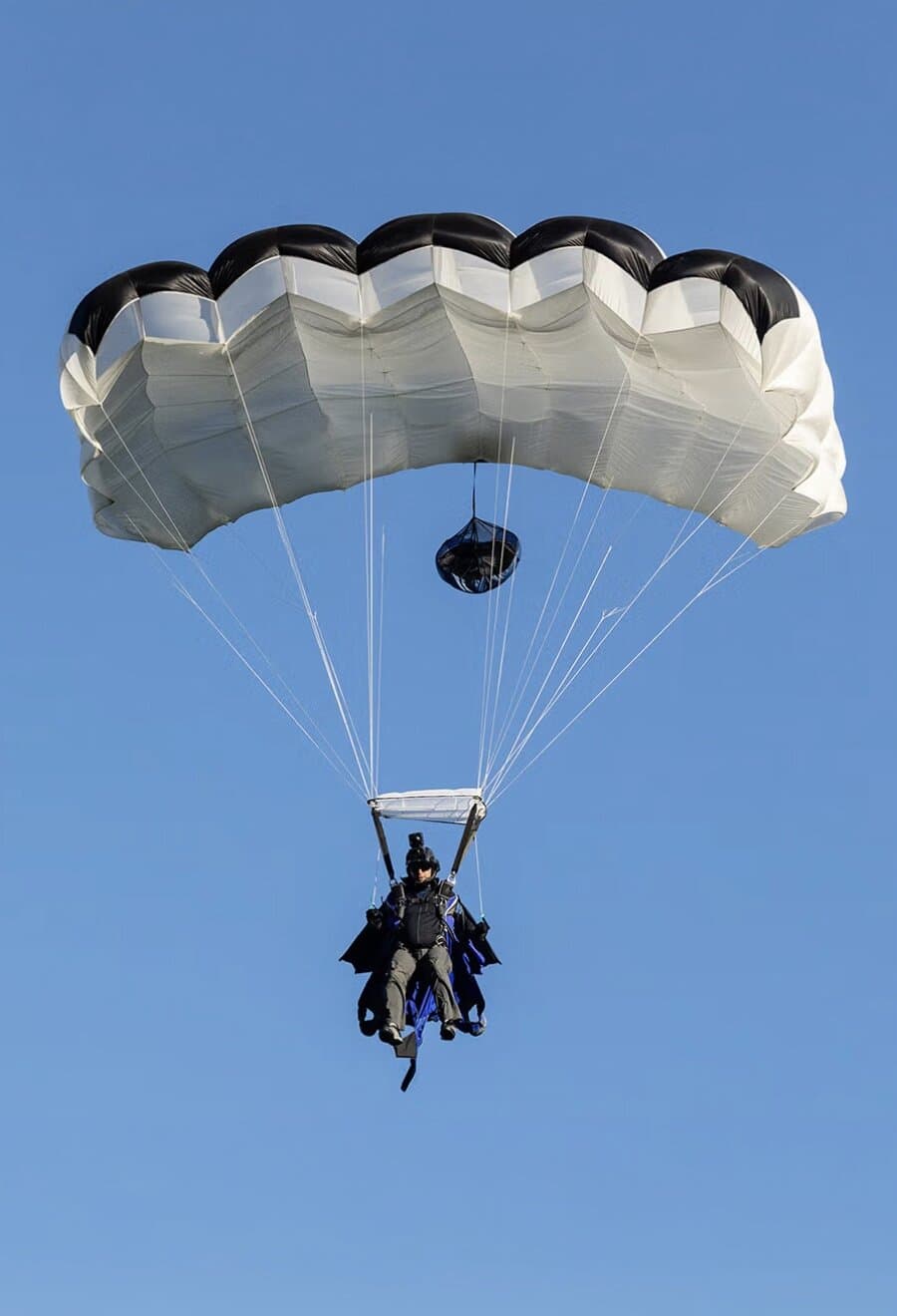
01
Canopy
Most BASE systems use a single canopy designed for low-altitude openings. These parachutes are generally larger, more stable and built to open quickly and predictably.
02
Container
The container holds the canopy and is built to stay lightweight and streamlined while remaining durable enough for demanding fixed-object environments.
03
Pilot chute
A small auxiliary parachute that extracts the main canopy from the container. Depending on the jump, it may be handheld, stowed or assisted.
04
Helmet
Helmets are standard throughout the sport and form part of the protective setup used around terrain, structures and restricted landing areas.
05
Optional: Tracking suit or wingsuit
Used on longer freefall jumps to improve aerodynamic performance and horizontal movement before deployment, while adding complexity and risk.
06
Optional: Body protection
Back protectors, knee pads, ankle support or impact-resistant clothing may be used depending on terrain, discipline and landing conditions.
Disciplines gallery
Disciplines of BASE Jumping

01
Traditional BASE / Slick
The foundation of the sport: exit a fixed object, maintain stability during freefall and deploy the parachute safely before landing. These jumps place strong emphasis on preparation, canopy control and decision making rather than aerial performance.
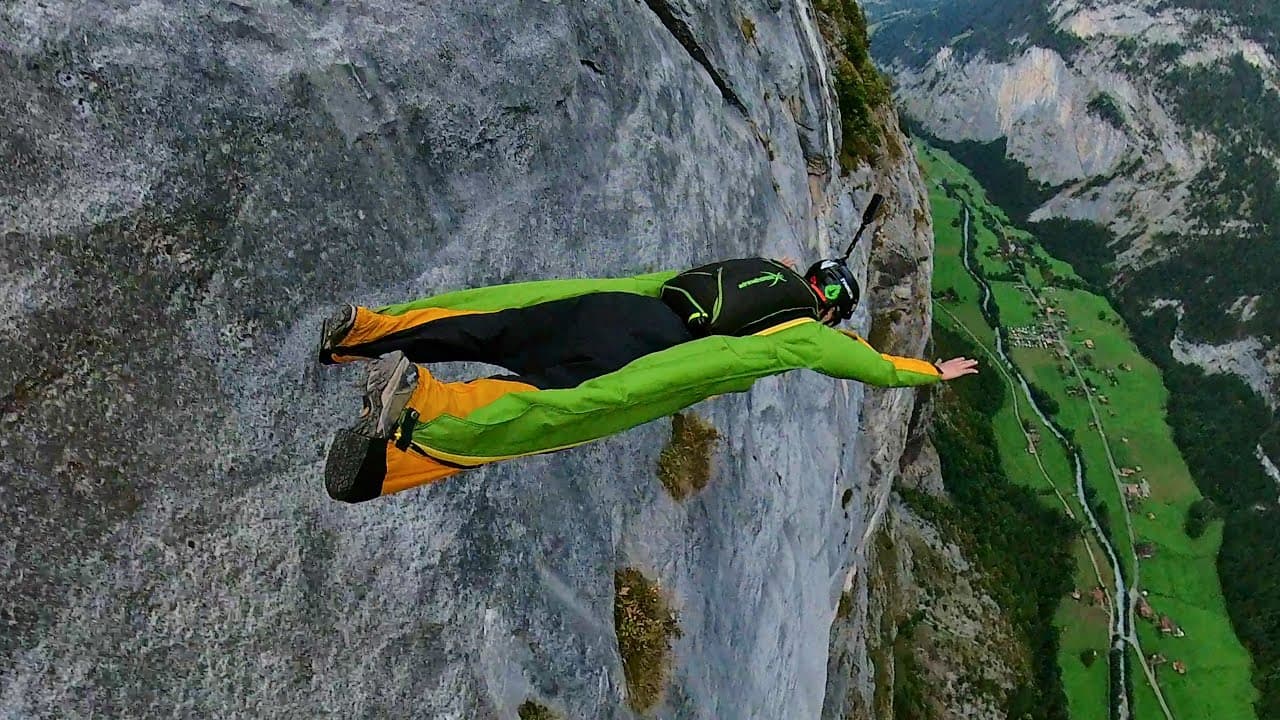
02
Tracking
A form of human flight that uses body position or specialised tracking suits to increase horizontal movement during freefall. Athletes aim to move away from the object while managing aerodynamics, body control and terrain awareness.
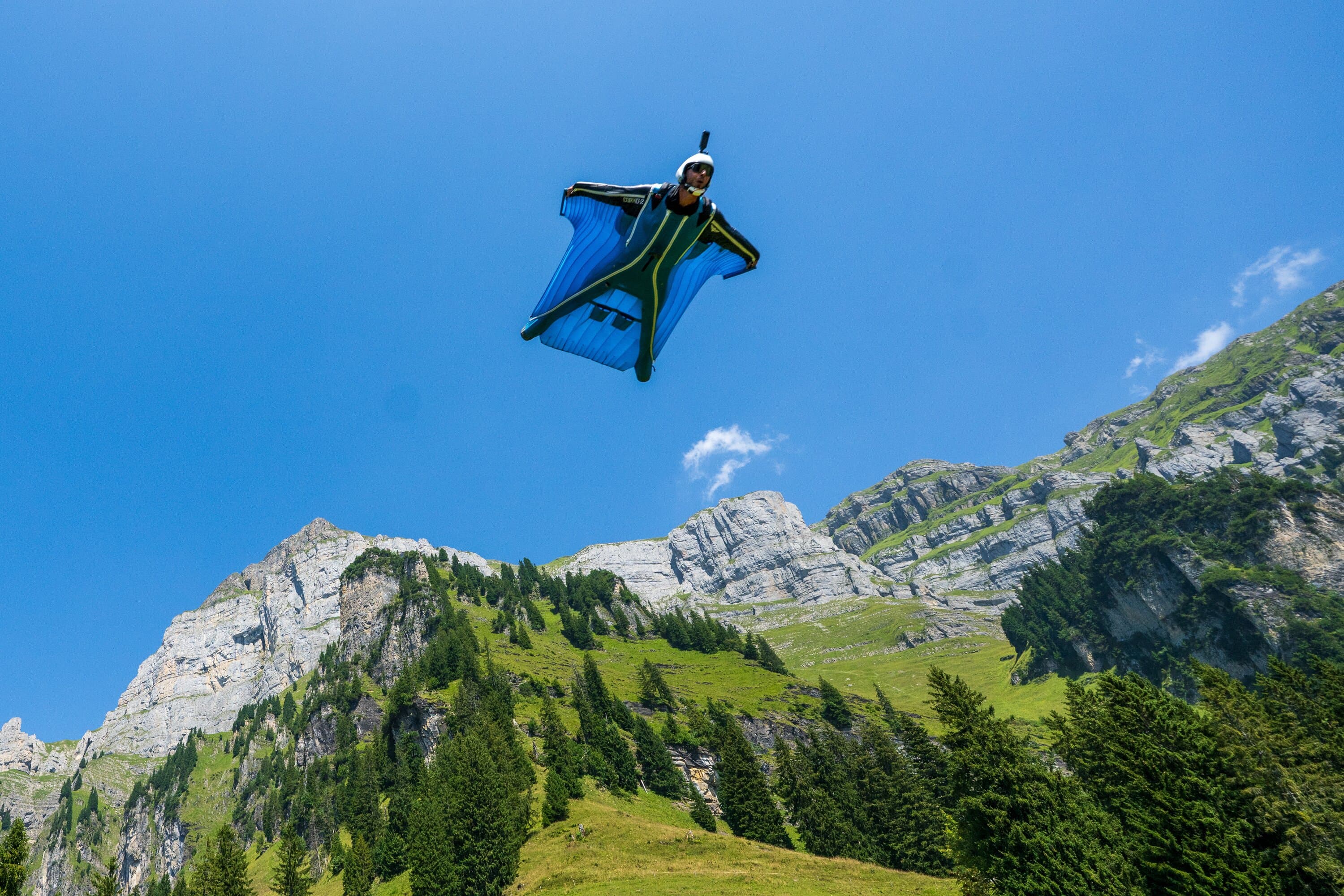
03
Wingsuit BASE
Combines a wingsuit with a BASE parachute system. The wingsuit creates lift and allows long glides before deployment, making it one of the most visible and technically demanding disciplines in the sport.
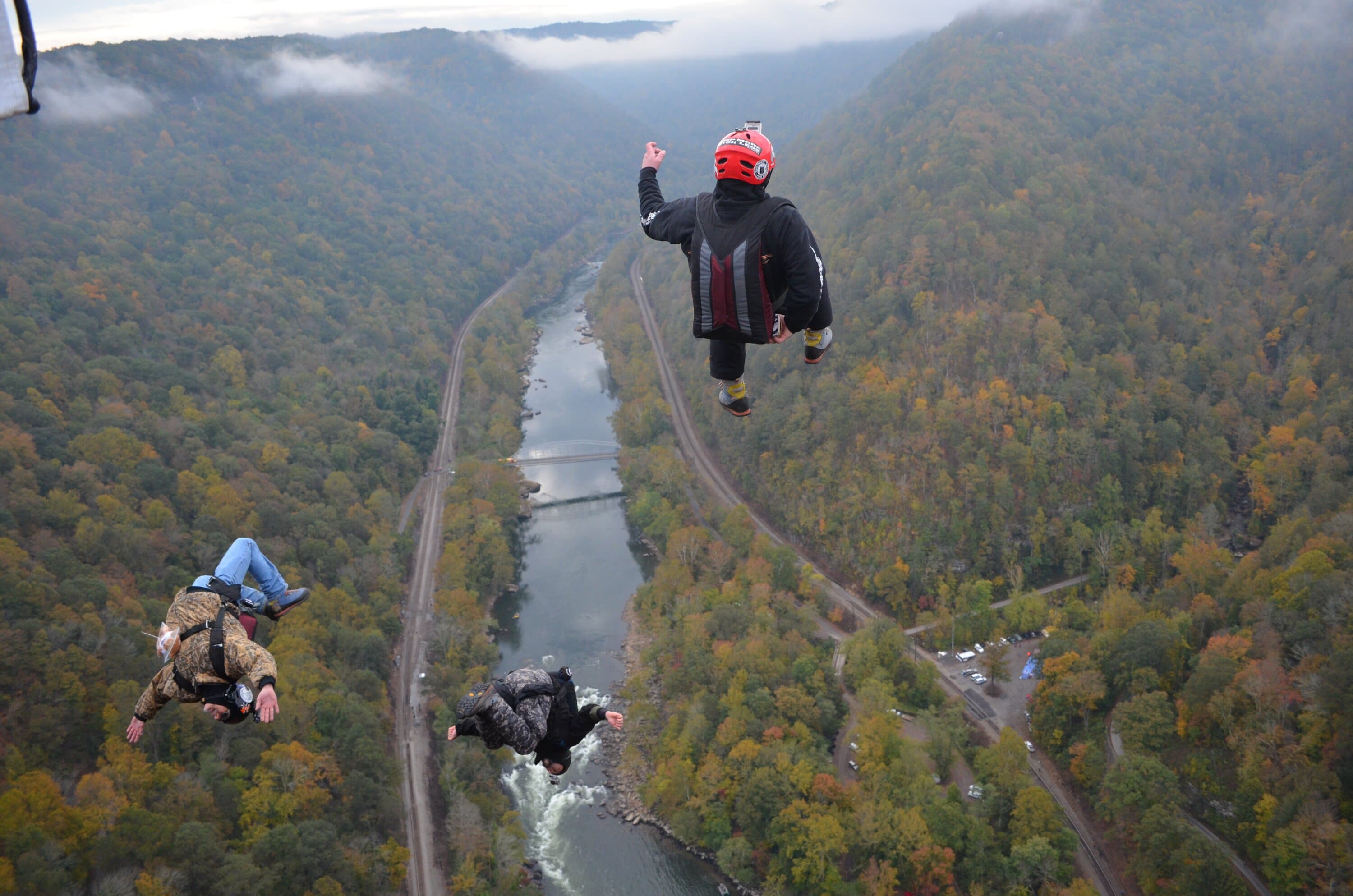
04
Aerials and Acrobatics
Some athletes perform flips, spins or other acrobatic movements before deployment. These jumps require precise timing, body awareness and altitude management.
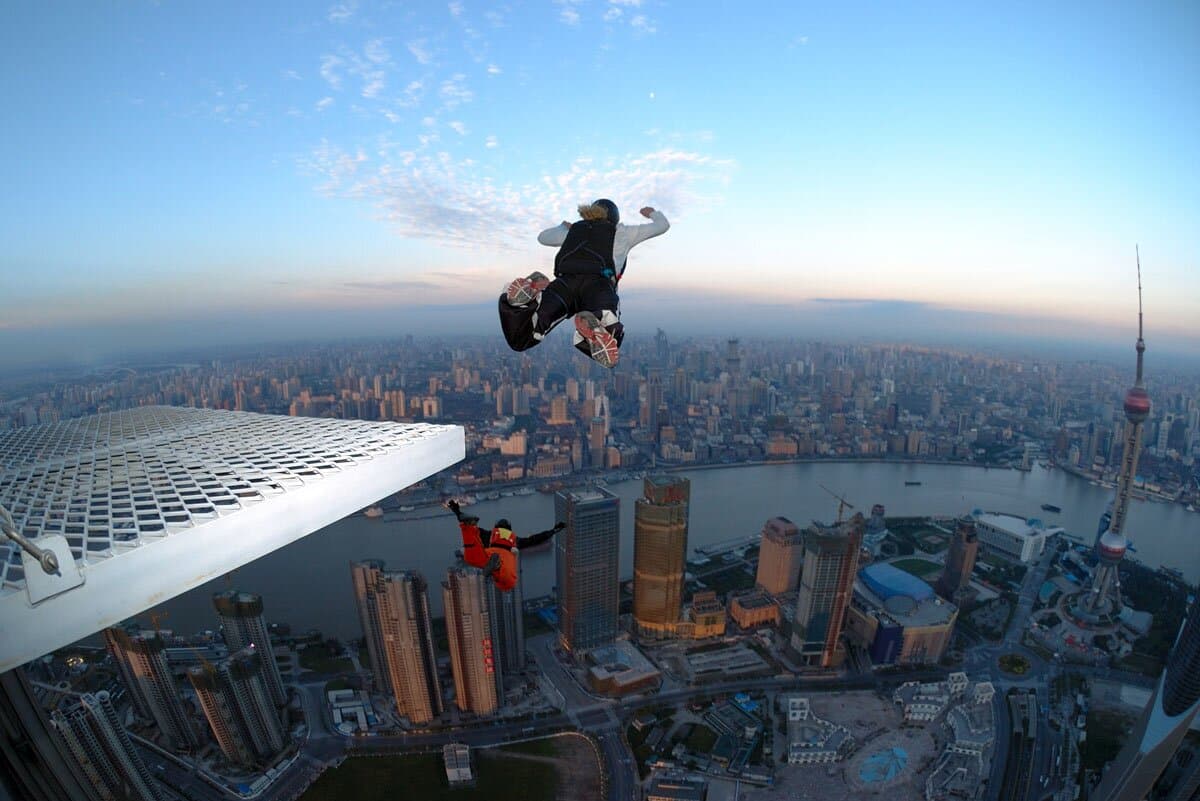
05
Urban BASE
Jumps from buildings or other urban structures, where access, wind effects, obstacles and landing areas create complex constraints beyond the jump itself.
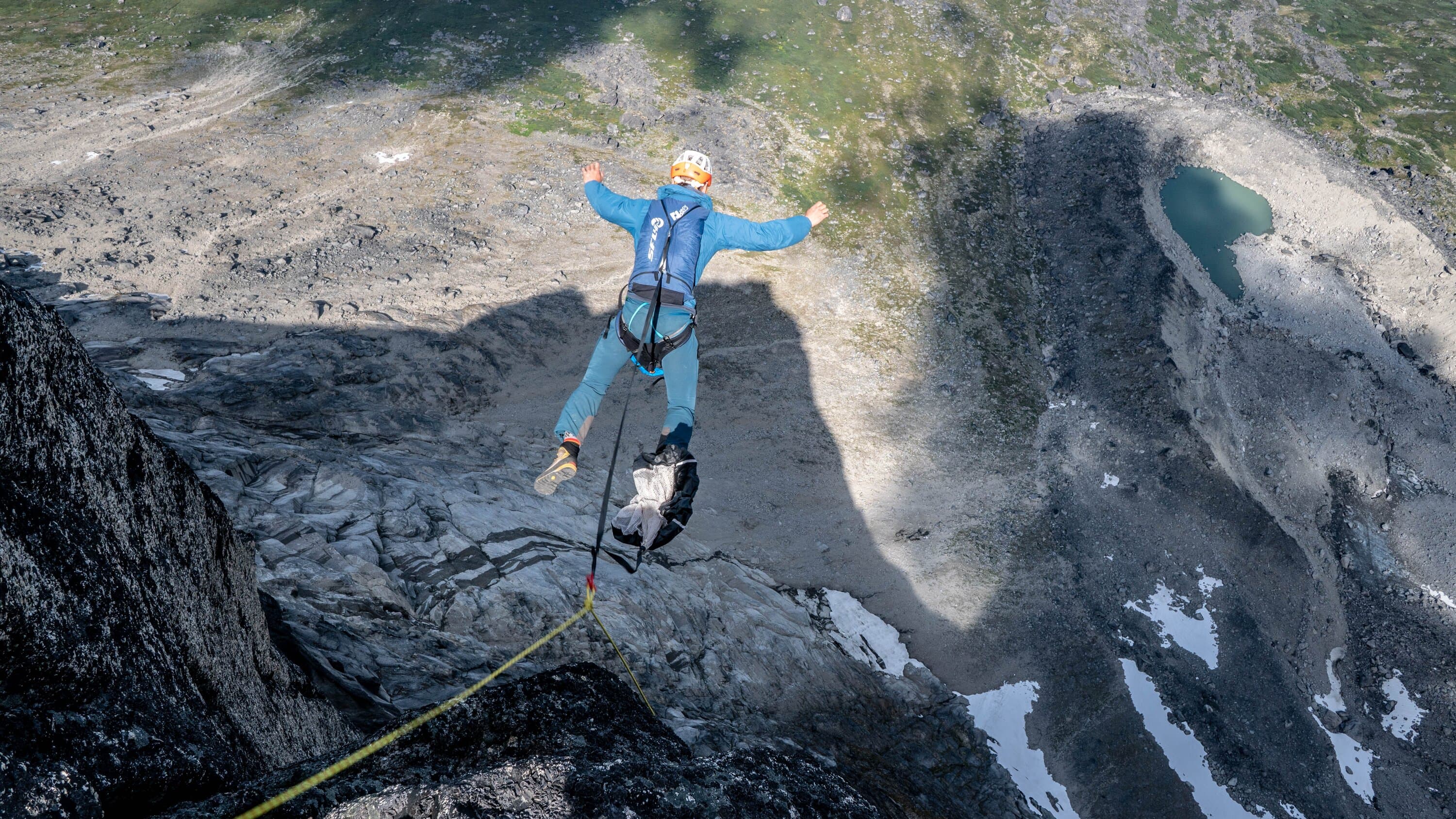
06
Low Object Jumping
Not all jumps involve extended freefall. Very low objects require specialised deployment techniques designed for immediate parachute inflation, with careful preparation and precise equipment configuration.
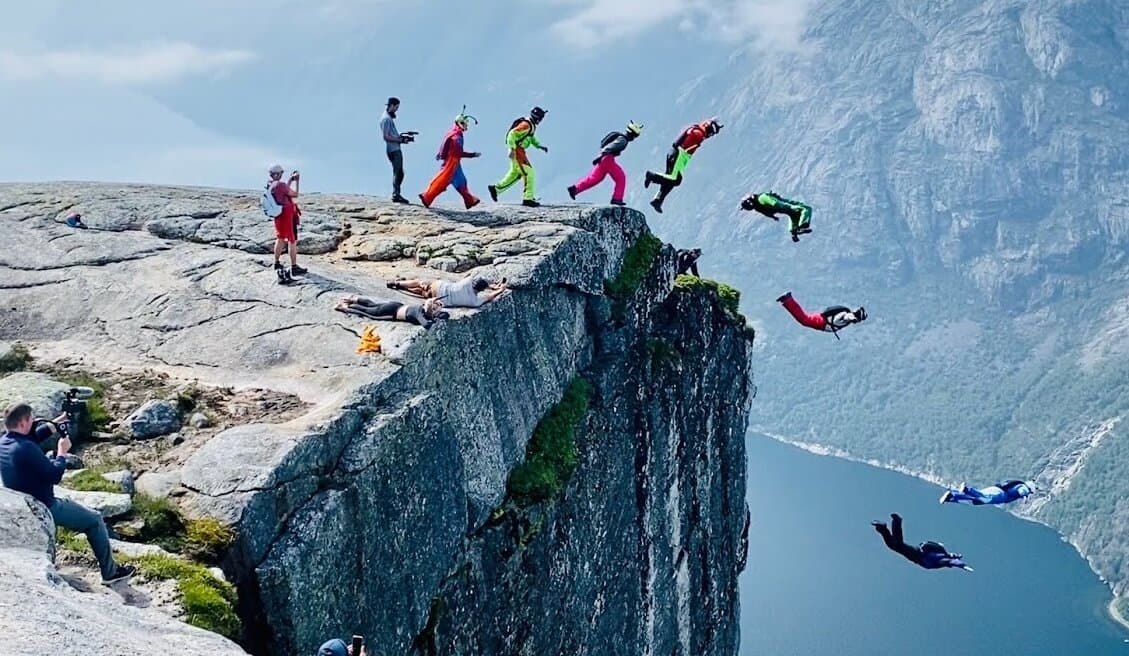
07
Multi Way Jumps
Two or more athletes exit together and coordinate movement, formations or shared flight paths. Communication, planning and trust are critical.
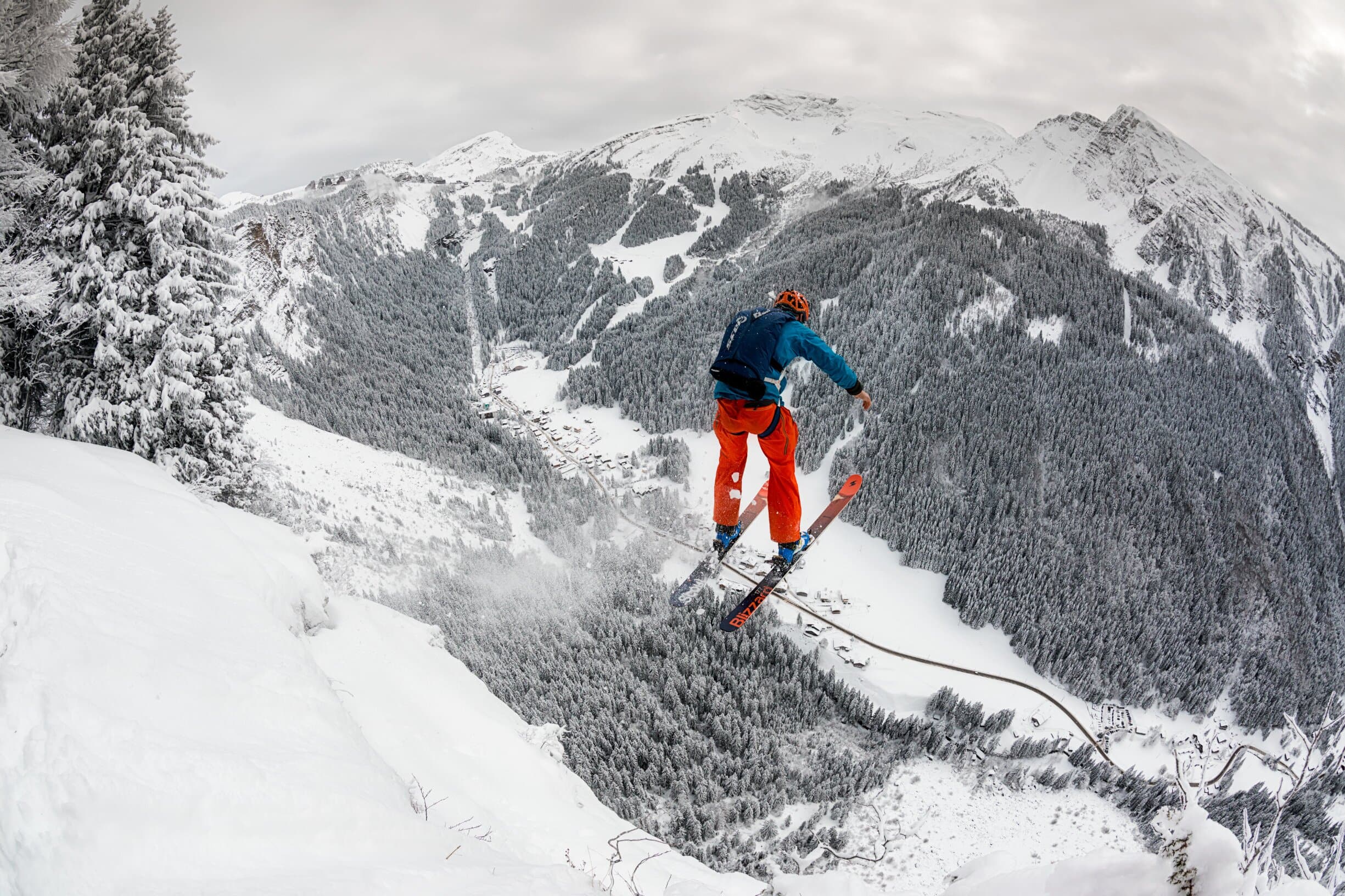
08
Ski BASE
A skier exits from a cliff or mountain face and deploys a parachute after leaving the snow. It combines alpine skiing, terrain judgement and BASE-specific deployment skills.
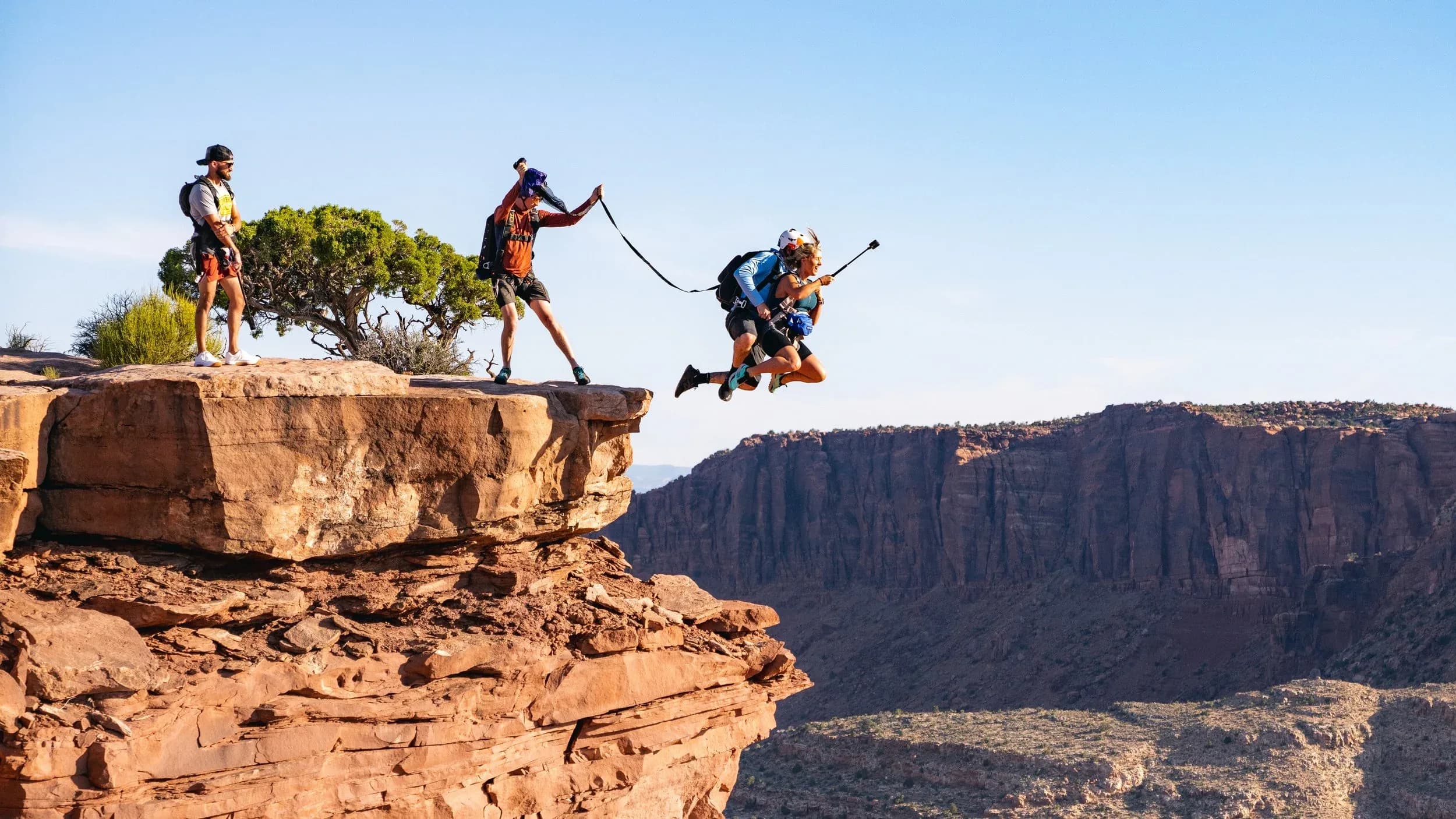
09
Tandem BASE
A highly specialised format where two people jump with one parachute system. It is rare, tightly controlled and depends on expert-level equipment setup and decision making.
Safety Hierarchy
Risk and Safety Culture
- 01Equipment
- 02Training
- 03Experience
- 04Judgement
Equipment is important. Decision making is critical.
A shared responsibility
Community and Ethics
BASE jumping extends beyond the individual athlete. Every decision sits inside a wider ecosystem.
- 01
Mentors
Pass on site knowledge, progression standards and lessons that help newer jumpers make better decisions.
- 02
Athletes
Carry responsibility for preparation, judgement and the way their choices affect access and others.
- 03
Community
Creates informal norms around learning, restraint, respect and accountability.
- 04
Landowners
Shape access through trust, local relationships and expectations around respectful behaviour.
- 05
Public
Sees the sport through shared images, reports and stories, making representation part of the ethics.
Then vs Now
Modern Developments
1980s
- VHS and film archives
- Word of mouth
- Local mentors
- Limited visibility
Today
- Action cameras and instant publishing
- Global platforms and messaging groups
- BASE schools and teachings around the world
- Global audiences and sponsor attention
Sources & Further Reading
This page is intended to provide context and understanding. It is not a guide or instructional resource for participating in the sport.
The contents of this page are based on historical publications, safety literature, academic sources, and research conducted as part of this project.
The aim is to provide an informative overview of BASE jumping and to contextualise its historical, cultural, and safety-related dimensions. The content is not an instruction or training resource for practicing the sport.
Key sources
- Gerdes, M. (2018). The Great Book of BASE (3rd edition).
- Boenish, C. - Historical publications and archive materials.
- Brymer, E. (2005). Extreme Sports: A Positive Transformation in Courage and Humility.
- Contemporary specialist publications and educational resources on BASE jumping.
- Interviews and observations from the production of Falling for Fame?
For deeper context, this project recommends comparing historical sources, safety-oriented literature, academic work and experience reports from the BASE community.