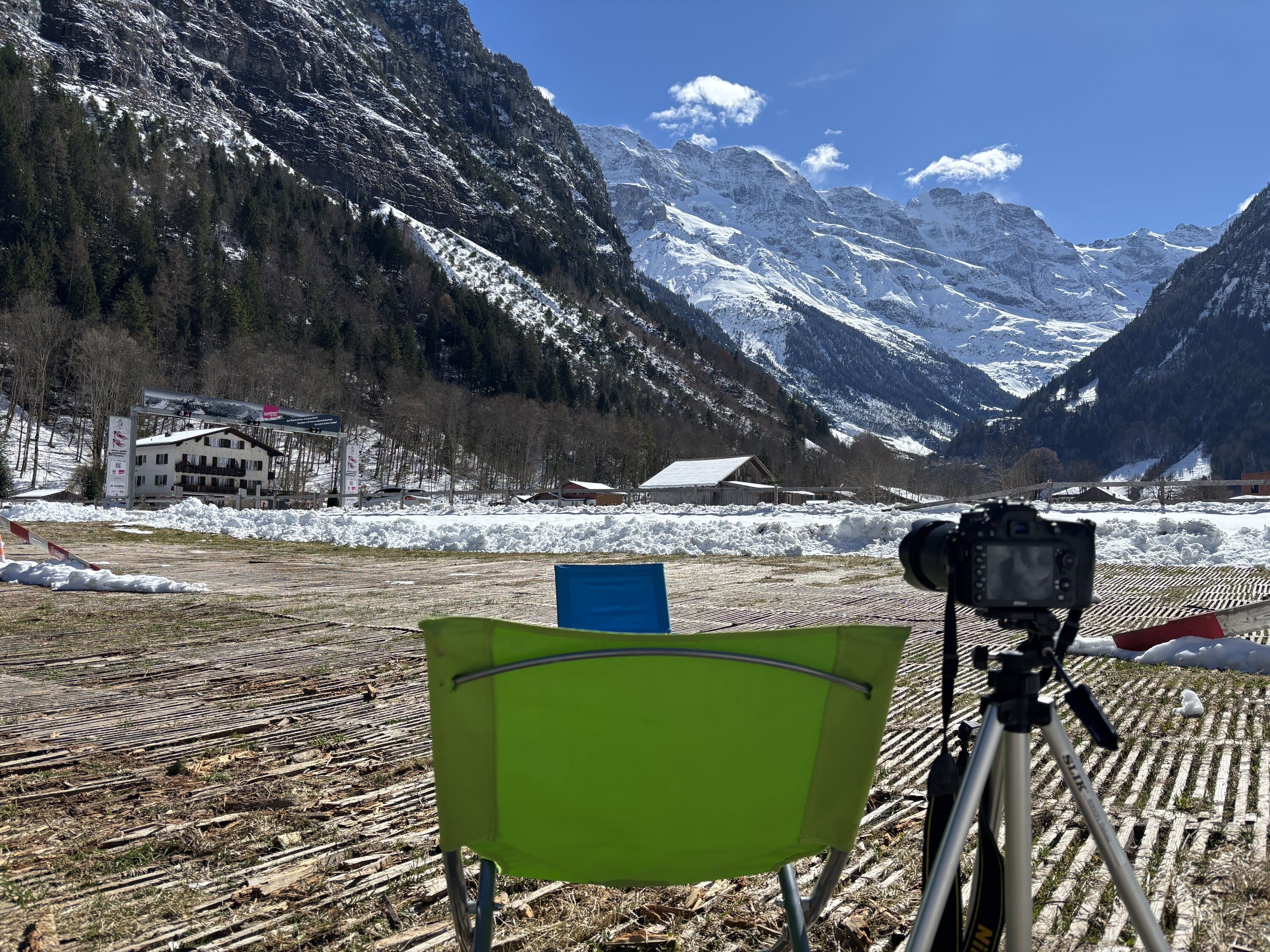
Production journal
The Project
Falling for Fame? is both an interactive documentary and a research project: a visual investigation into BASE jumping, social media, sponsorship, visibility and risk culture.
Falling for Fame? began as a bachelor's thesis, but the subject asked for more than academic text. BASE jumping is visual, physical and situational. The environments, decisions and social dynamics behind the sport are hard to understand from statistics alone.
The interactive documentary turns the research process into a multimedia experience. It combines interviews, field observations, photography, video and editorial storytelling so visitors can move between context, people and production moments at their own pace.
The project does not separate research from storytelling. The research gives the documentary structure and responsibility. The documentary gives the research atmosphere, access and a public-facing form.
01A bachelor's thesis became a field journal.
02A research question became a documentary route.
03A risky sport became a story about visibility, responsibility and context.
Why documentary?
Because the topic is lived in places most viewers never see.
Images, sound and pacing can communicate atmosphere, preparation and uncertainty in ways a written thesis can only describe.
Why interactive?
Because no single linear story can hold the whole subject.
The format lets visitors explore the project through documentary scenes, research framing and production traces.
Why research?
Because visual intensity needs context.
The academic foundation keeps the documentary focused on questions of social media, sponsorship, visibility, risk perception and safety culture.
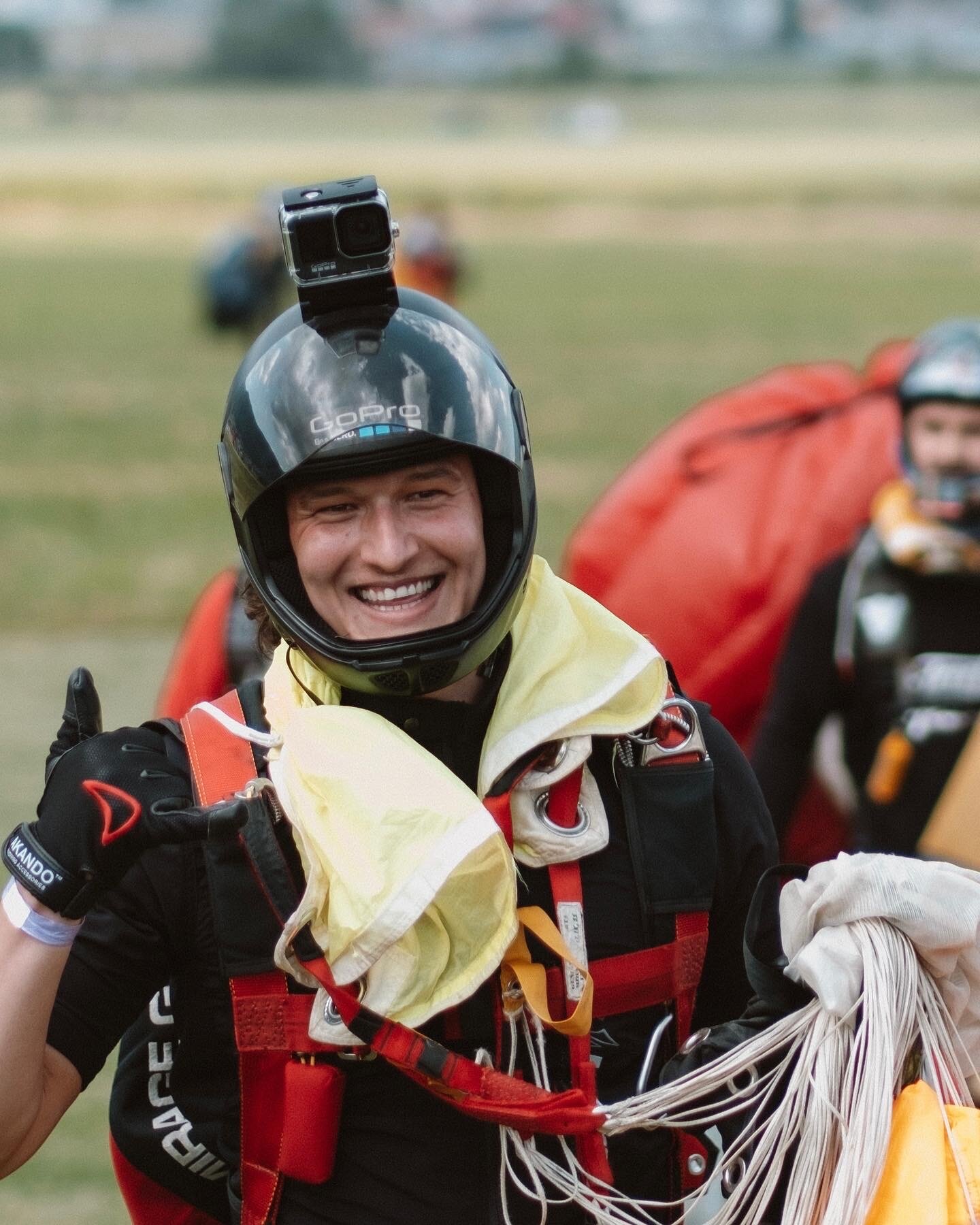
Personal perspective
Motivation behind the project
01
In 2019, I completed my first skydive. What began as a one-time experience quickly developed into a lasting fascination with sports that are often perceived from the outside only through risk. With growing experience, I began to understand that there is far more behind these activities than adrenaline: training, preparation, responsibility and a strong safety culture.
02
At the same time, I noticed how strongly social media shapes the way these sports are perceived. What usually becomes visible are the most spectacular seconds of a jump. What often remains invisible are the preparation, the decision-making processes and the people behind the images. This raised the question of how athletes themselves deal with visibility, audience growth and public attention.
03
From this observation, the research question of this project gradually emerged. Falling for Fame? combines academic research and documentary storytelling to create a more nuanced view of BASE jumping. Not in search of spectacle, but in search of the stories, decisions and perspectives behind the images.
“I was not only interested in what moves people to jump. I was interested in how visibility changes what others get to see.”
Behind the scenes
A glimpse into planning, travel, conversations, fieldwork and the moments behind the finished documentary scenes.
15 images
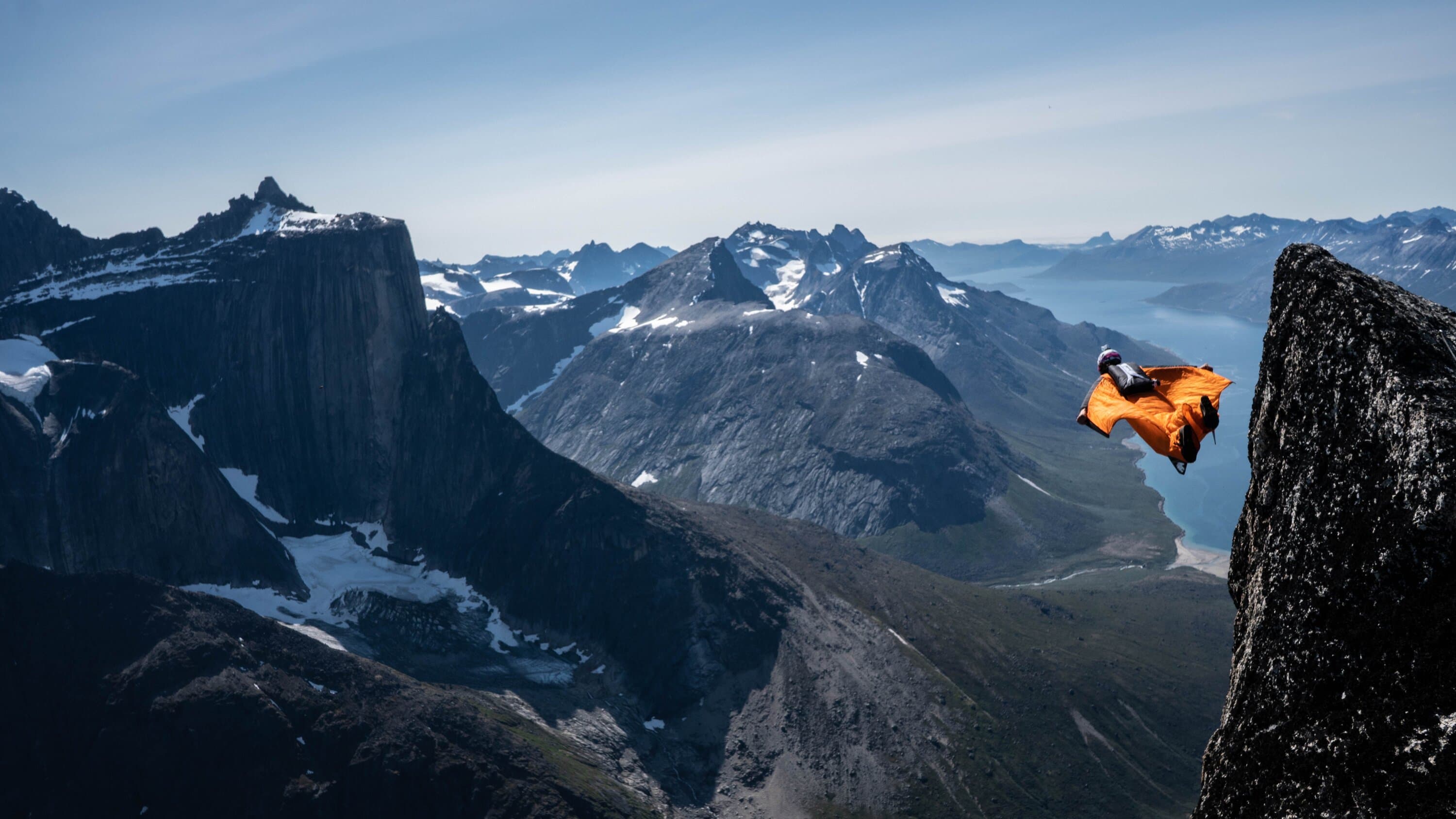
The Research
Why study BASE jumping through media, sponsorship and visibility?
Modern BASE jumping exists in a media environment that is very different from earlier decades. Athletes can document, publish and distribute their experiences globally within seconds.
Research question
To what extent do social media and sponsorship, as intertwined systems of expectations and recognition, shape individual risk taking and the safety culture in BASE jumping?
BASE jumping
The sport offers a concentrated lens on decision making, risk, preparation and community norms.
Social media
Platforms make spectacular moments visible far beyond the community, often faster than their context can travel.
Sponsorship
Visibility can become social and economic value, creating questions about expectation, representation and pressure.
Research gap
Existing work often looks at risk, media or extreme sport separately. This project connects them through athletes' own perspectives.
The research investigates how visibility, recognition and sponsorship structures interact with risk perception, safety culture and personal decision making in modern BASE jumping.
01
Idea
The project started with an interest in how extreme sport, media visibility and responsibility intersect.
02
Research Question
The focus narrowed to social media, sponsorship, risk perception and safety culture in BASE jumping.
03
Literature Review
Existing research on extreme sport, risk, decision making, media visibility and sponsorship framed the field.
04
Field Access
Access developed through existing sport networks, direct contact and trust-building inside a small community.
05
Interviews
Semi-structured conversations made room for experiences, perceptions and different viewpoints.
06
Participant Observation
Field observation helped capture routines, atmospheres, social dynamics and production conditions around real jump environments.
07
Photo Elicitation
Selected images and social media content became prompts for deeper reflection on representation, meaning and visibility.
08
Analysis
The collected material was coded and compared through qualitative thematic analysis.
09
Documentary
The research was translated into an interactive format that makes process, context and storytelling accessible.
Project Goals
What the project hopes to achieve.
Make academic research accessible beyond the university context.
Create understanding for a complex community without glorifying or judging it.
Show multiple perspectives instead of reducing the sport to spectacle.
Encourage reflection on visibility, responsibility and the stories behind images.
Bridge documentary storytelling and academic research for a public audience.
Understanding begins with context.
Academic foundation
Bachelor Thesis
This interactive documentary is based on a bachelor's thesis conducted at the University of Applied Sciences of the Grisons (FHGR).
Visitors interested in the academic background, theoretical framework, methodology, and detailed analysis can download the complete thesis.
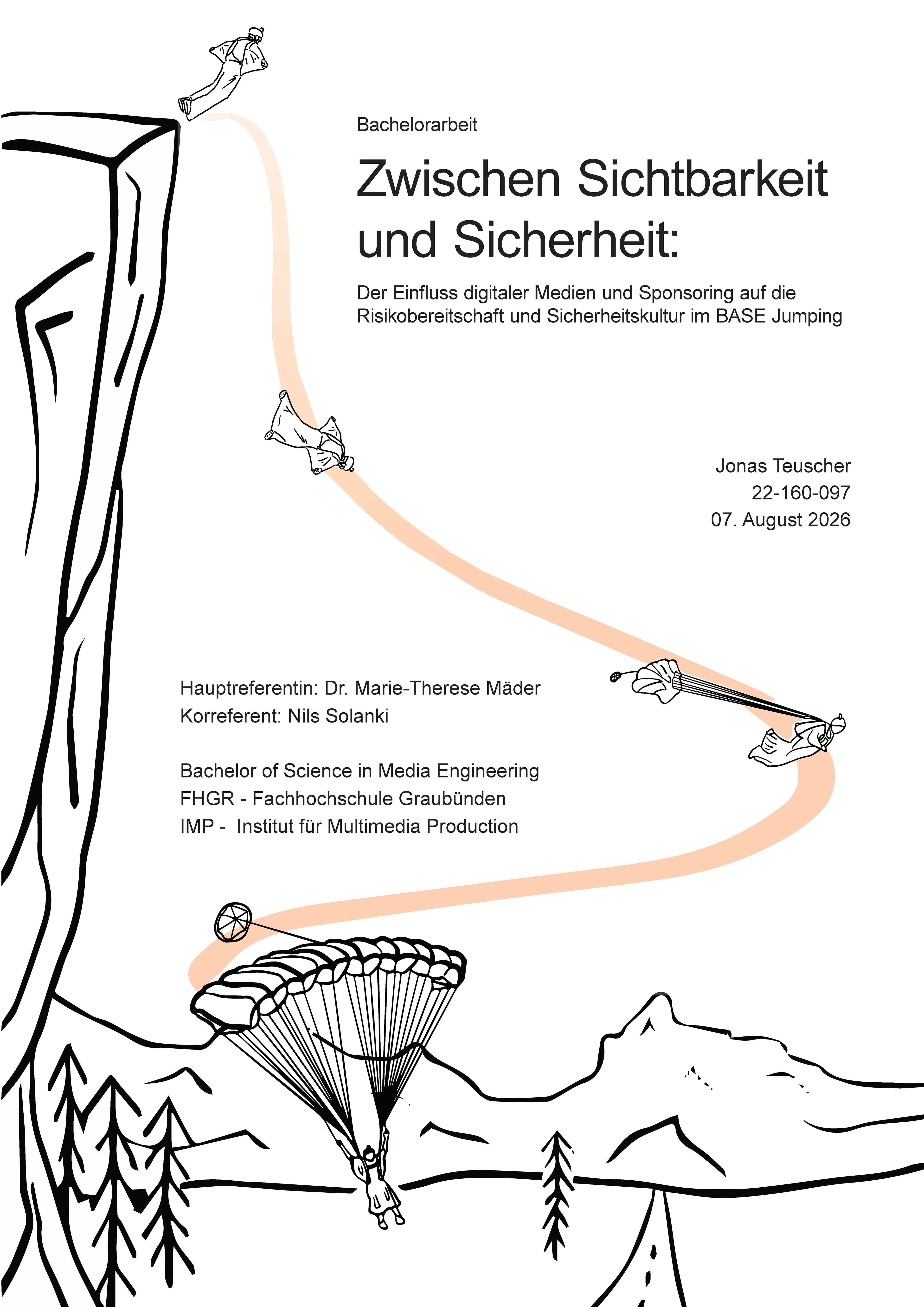
Zwischen Sichtbarkeit und Sicherheit - Bachelorarbeit
Complete bachelor thesis as a PDF.
PDF • 151 pages • 27.5 MB
Credits
Project Credits
- Author
- Jonas Teuscher
- Degree programme
- Multimedia Production
- University
- University of Applied Sciences of the Grisons (FHGR)
- Supervisors
- Dr. Marie-Therese Mäder (main supervisor), Nils Solanki (co-supervisor)
- Contributors
- Interview participants and documentary contributors
- Special thanks
- The BASE jumping community members who shared time, access and perspective